Introduction
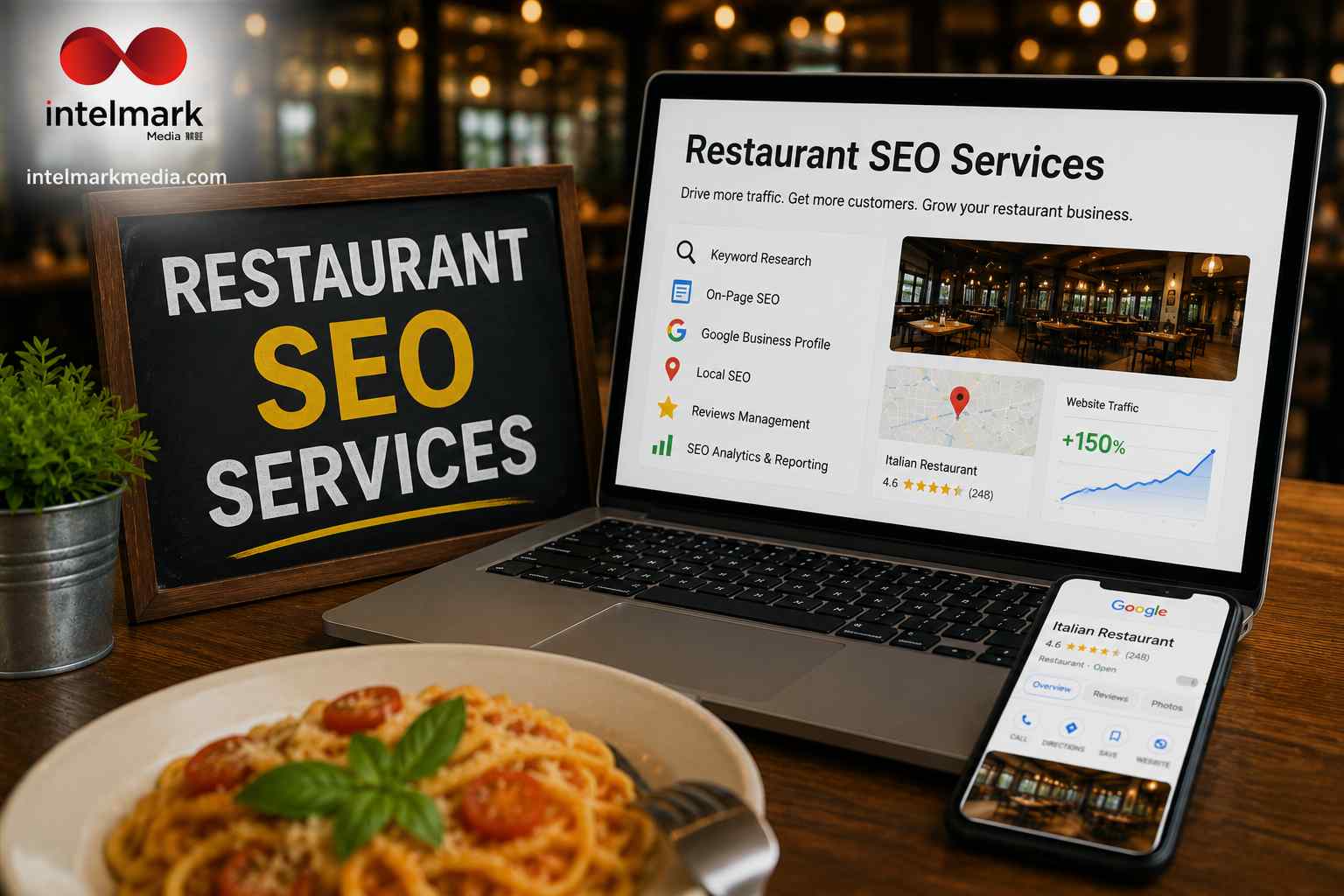
A restaurant can have the best food in town and still sit half-empty on a Friday night, simply because it’s invisible on Google. That’s the gap Restaurant SEO Services are built to close. When someone types “best pizza near me” or “brunch spots open now,” the restaurants that show up in the map pack and the top search results are the ones getting the reservations, the walk-ins, and the online orders — not necessarily the ones with the best kitchen.
If you’ve ever wondered why a competitor with average reviews keeps showing up above you, the answer is almost always search engine optimization — done consistently, and done right.
What Restaurant SEO Services Actually Include
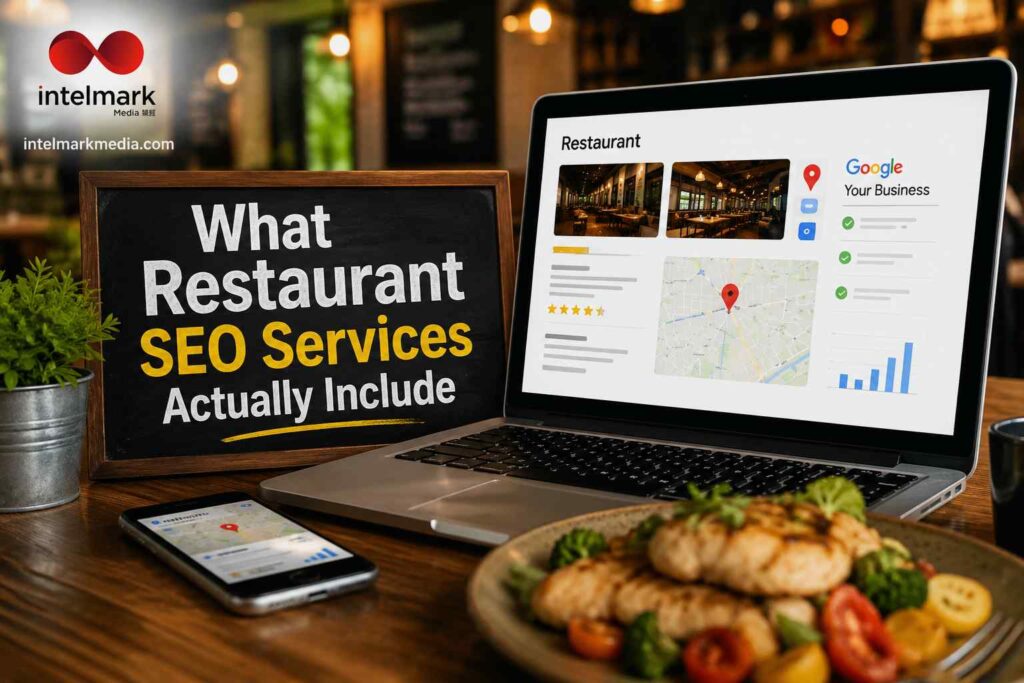
Restaurant SEO is the practice of optimizing your website, Google Business Profile, and local listings so your restaurant ranks for the exact terms diners are searching — cuisine type, neighborhood, dish names, and “near me” queries. A proper restaurant SEO company blends local SEO, on-page SEO, technical SEO, content marketing, and link building into one strategy instead of treating them as separate projects.
At its core, it covers:
- Google Business Profile optimization and Google Maps ranking
- Keyword research built around local search behavior
- Restaurant website SEO (speed, mobile experience, structure)
- Menu and location pages optimized with schema markup
- Local citations and directory listings
- Review generation and reputation management
- Content that answers what people are actually asking
Why Restaurants Can’t Skip Local SEO
Most restaurant searches are made on mobile, often within a few miles of the searcher, and usually with intent to visit within hours. That’s a very different buyer than someone researching a purchase for next month. Local SEO for restaurants exists to capture that “I’m hungry right now” moment before a competitor does.
Without it, even a beautifully designed website sits buried on page two, where almost no one scrolls. Restaurant online visibility isn’t a nice-to-have anymore — it’s the difference between a full dining room and an empty one on a Tuesday night.
Google Business Profile: Your Digital Storefront
Before a diner ever opens your restaurant website, they see your Google Business Profile. It’s usually the first — and sometimes only — impression you get.
A well-optimized profile includes:
| Element | Why It Matters |
|---|---|
| Accurate NAP (Name, Address, Phone) | Builds trust with Google and users |
| Correct categories and attributes | Helps Google match you to relevant searches |
| Menu, photos, and posts | Increases engagement and click-through |
| Consistent review responses | Signals an active, trustworthy business |
| Hours and holiday updates | Reduces bounce and complaints |
An incomplete or inconsistent profile actively hurts your Google Maps ranking, even if your website SEO is solid.

Keyword Research That Matches Real Diner Searches
Generic keywords like “restaurant” are nearly impossible to rank for and rarely convert. What works is layering intent, cuisine, and location — think “best vegan brunch in Austin” or “family-friendly Italian restaurant downtown.” Restaurant keyword research should also account for voice search, since more diners now ask their phones “where can I get tacos near me” instead of typing it.
On-Page and Technical SEO for Restaurant Websites
Search engines need to understand your site as fast as your customers do. That means:
- Fast-loading pages (check with Google PageSpeed Insights)
- Mobile-first design, since most diners search on phones
- Clean URL structure and internal linking between menu, location, and blog pages
- Restaurant schema markup so menus, hours, and reviews appear directly in search results
- Individual location pages for every branch, not one generic “locations” list
Internal linking matters more than owners realize. A blog post about seasonal menu items should link naturally to your reservations page or your locations page — that’s how you turn readers into diners.
Citations, Reviews, and Reputation Management
Consistent local citations across directories (Yelp, TripAdvisor, OpenTable, industry-specific sites) confirm to Google that your business is legitimate and active. Combine that with steady, genuine review generation, and you build the trust signals that push a restaurant into the coveted 3-pack.
Reputation management isn’t about hiding bad reviews — it’s about responding professionally and consistently, which itself is a ranking and trust signal.
Multi-Location and Franchise SEO
If you run more than one location, treating them as one SEO project is a mistake. Multi-location restaurant SEO requires a dedicated Google Business Profile, unique location page, and localized content for every branch — otherwise you risk locations competing against each other in search results instead of the competition.
Common Mistakes Restaurant Owners Make
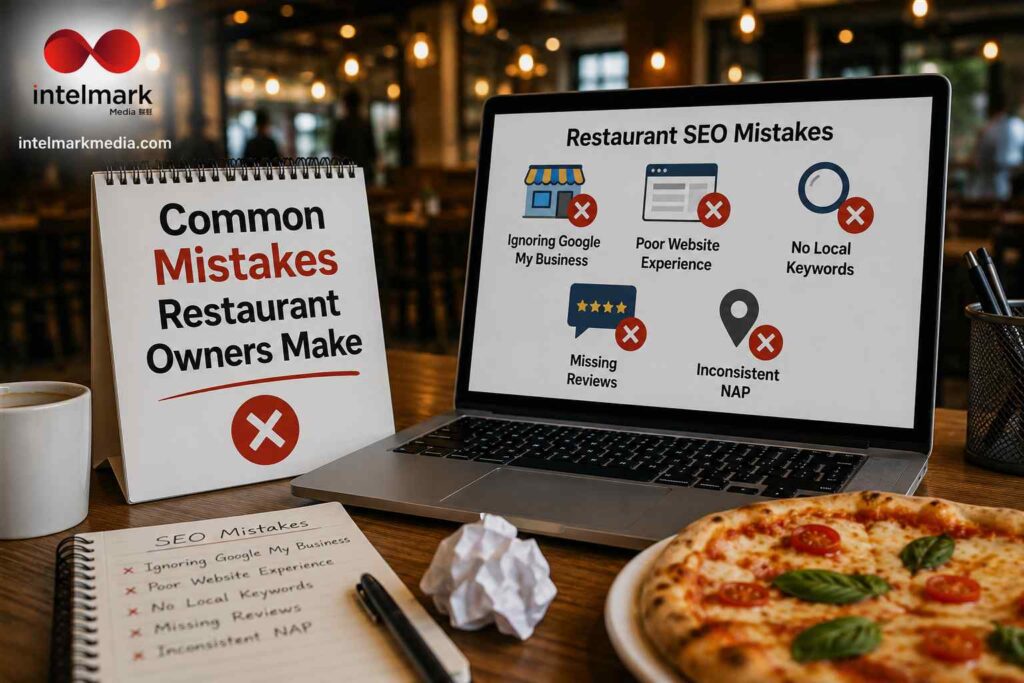
- Duplicating the same content across every location page
- Ignoring mobile speed and load times
- Letting Google Business Profile information go stale
- Chasing rankings without tracking actual reservations or orders
- Buying cheap, spammy backlinks that trigger penalties
How to Choose the Right Restaurant SEO Agency
Look for a restaurant SEO agency that shows real case studies, explains their process in plain language, and reports on business outcomes — not just rankings. Ask how they handle Google Business Profile management, whether they build location-specific content, and how long they expect results to take. Anyone promising “page one in a week” should raise a red flag.
FAQ About Restaurant SEO Services
Q1: How to write FAQs for SEO?
Ans: Write SEO FAQs by answering real user questions clearly, naturally including relevant keywords, and providing accurate, helpful information.
Q2: How to do SEO for a restaurant?
Ans: Restaurant SEO includes optimizing your website, Google Business Profile, local keywords, online reviews, and quality content to attract nearby customers.
Q3: What is the 80/20 rule for SEO?
Ans: The 80/20 rule for SEO focuses on prioritizing the strategies and pages that generate the highest organic traffic and business results.
Q4: How much does local SEO cost in the US?
Ans: Local SEO pricing in the US varies based on business size, competition, and services, with customized plans designed to improve local search visibility.
Final Word
Restaurant SEO isn’t a one-time fix — it’s an ongoing effort that compounds the longer you stay consistent with it. The restaurants winning right now aren’t necessarily better; they’re simply easier to find.
IntelMark Media builds Restaurant SEO Services around real bookings, not vanity rankings — reach out and let’s get your tables full.