Introduction
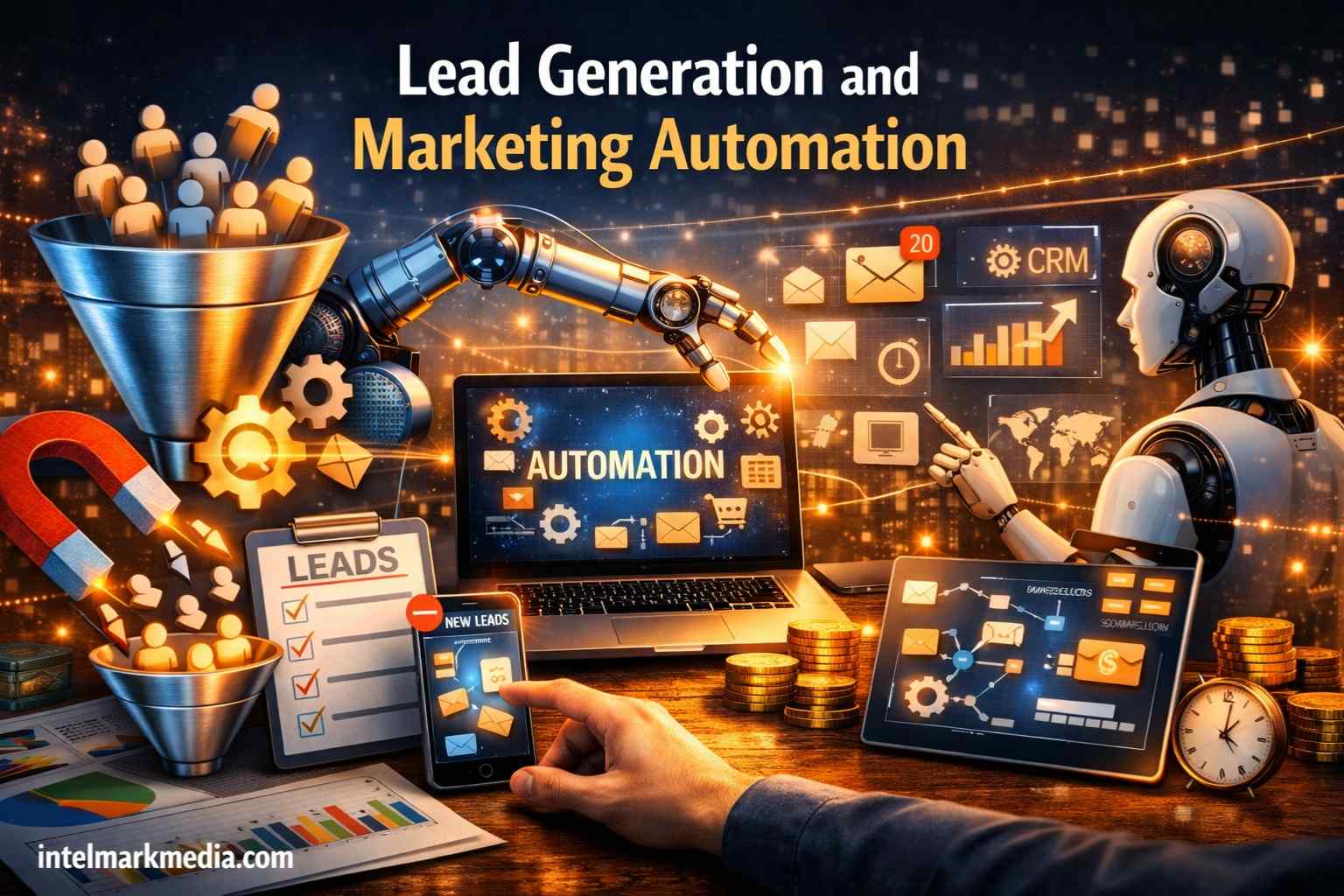
Lead generation and marketing automation help businesses attract qualified customers, improve engagement, and increase sales through smarter digital strategies. Brands across the USA now rely on automated workflows, CRM systems, email marketing automation, AI-powered targeting, and conversion-focused campaigns to build consistent growth without wasting time or advertising budget. A strong automation strategy creates better customer experiences while helping businesses manage leads more efficiently across multiple digital channels.
Modern consumers expect fast communication, personalized recommendations, and seamless online interactions before making a buying decision. Businesses that combine semantic SEO, lead nurturing, customer journey automation, and data-driven marketing strategies can generate higher-quality leads and improve long-term customer retention. From search engine optimization and content marketing to sales funnel automation and performance tracking, lead generation and marketing automation create scalable systems that support sustainable business growth in 2026.
Why Lead Generation Matters for Business Growth
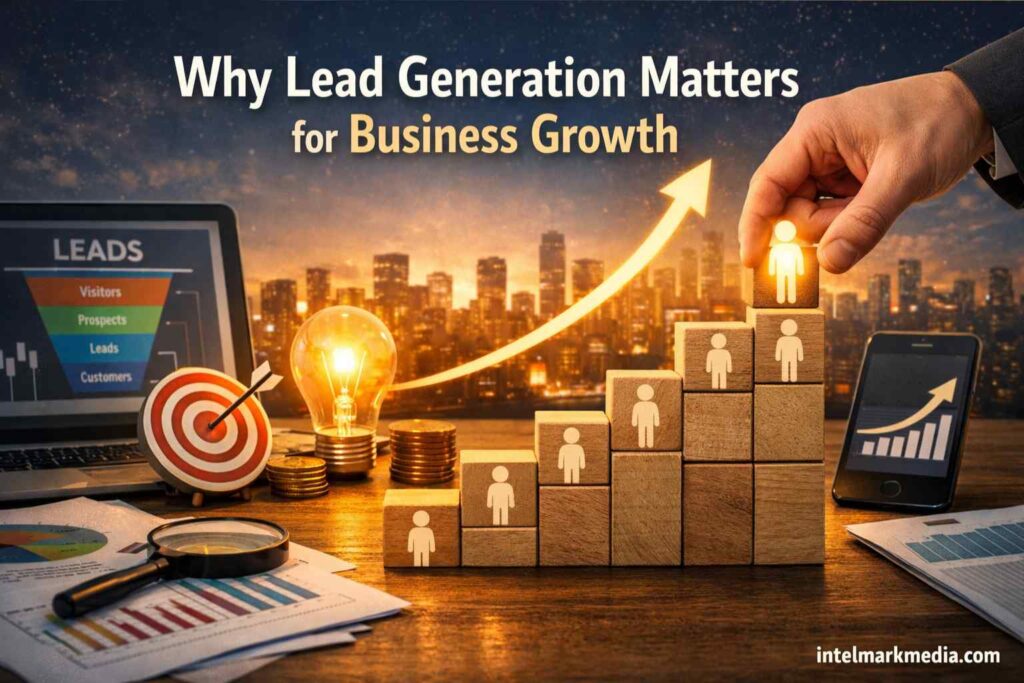
Lead generation is the foundation of every successful marketing strategy because it helps businesses attract people who are genuinely interested in their products or services. Instead of targeting random audiences, businesses can focus on qualified prospects who are more likely to convert into customers. Effective lead generation strategies include SEO, paid advertising, landing pages, social media marketing, content marketing, email campaigns, and conversion optimization techniques that guide users through the buyer journey.
Modern lead generation is no longer just about collecting email addresses. Businesses now focus on generating high-intent leads using audience segmentation, user behavior analysis, search intent optimization, and personalized communication. Companies that invest in strategic lead generation experience higher conversion rates, better customer retention, and stronger long-term revenue growth because they understand exactly what their audience wants.
What Is Marketing Automation and Why Is It Important?
Marketing automation refers to using technology and software to automate repetitive marketing tasks such as email campaigns, lead nurturing, follow-ups, customer segmentation, CRM updates, and sales workflows. Instead of manually managing every interaction, businesses can build automated systems that engage prospects throughout the customer journey while saving valuable time and operational costs.
In 2026, marketing automation has evolved beyond simple email scheduling. Businesses now use AI-driven automation platforms, predictive analytics, customer behavior tracking, chatbot automation, and personalized workflows to improve engagement and conversion rates. Automation helps brands stay connected with leads consistently while delivering customized experiences that build trust and encourage buying decisions.
How Lead Generation and Marketing Automation Work Together
Lead generation attracts potential customers, while marketing automation nurtures those leads until they are ready to make a purchase. Together, these strategies create a seamless customer acquisition system that improves efficiency and increases sales opportunities. For example, when a visitor downloads a guide or fills out a contact form, an automated workflow can instantly send follow-up emails, educational content, product recommendations, or appointment reminders.
This integrated approach helps businesses reduce lead leakage and maintain continuous communication with prospects. Instead of relying on manual follow-ups, automated systems ensure every lead receives timely responses and personalized engagement. Businesses that combine SEO-driven lead generation with intelligent automation often achieve faster growth, stronger customer relationships, and improved marketing performance.
Key Benefits of Marketing Automation for Businesses
Marketing automation provides several advantages for businesses looking to scale their operations while improving customer experience. Some of the biggest benefits include:
- Improved lead nurturing and customer engagement
- Higher conversion rates through personalized messaging
- Better audience targeting and segmentation
- Increased productivity by automating repetitive tasks
- Stronger sales and marketing alignment
- Real-time analytics and performance tracking
- Enhanced customer retention and loyalty
- Faster response times for incoming leads
Businesses that implement automation effectively can focus more on strategy, creativity, and customer relationships instead of spending hours on manual administrative work. This creates a more efficient marketing process while improving overall business growth and profitability.
Best Lead Generation Channels in 2026
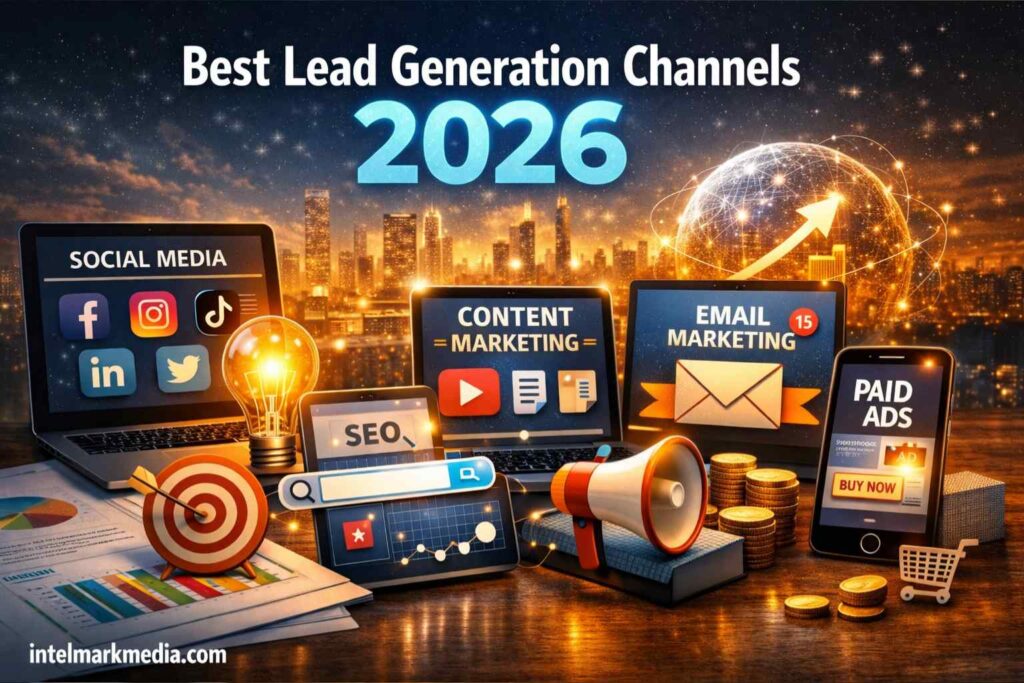
Successful lead generation strategies rely on multiple digital channels working together to attract and convert potential customers. Search engine optimization remains one of the most effective long-term methods because it helps businesses appear in front of users actively searching for solutions online. Content marketing, blog articles, landing pages, and educational resources also help establish authority while increasing organic traffic and user trust.
Paid advertising platforms like Google Ads, Meta Ads, LinkedIn Ads, and YouTube marketing continue to generate high-quality leads when combined with strong audience targeting and compelling offers. Businesses also use webinars, AI chatbots, social media engagement, email marketing funnels, and conversion-focused websites to improve lead acquisition and maximize customer interaction across different touchpoints.
Essential Features of a Powerful Marketing Automation System
A strong marketing automation system should help businesses manage leads, personalize communication, track customer behavior, and optimize marketing performance. CRM integration is one of the most important features because it centralizes customer data and allows businesses to create highly targeted campaigns based on user activity and preferences.
Other important automation features include email drip campaigns, lead scoring, AI-powered segmentation, workflow automation, analytics dashboards, chatbot integration, SMS marketing, and retargeting capabilities. These tools help businesses create personalized customer journeys that increase engagement while improving sales efficiency and long-term customer relationships.
SEO and Content Marketing for Lead Generation
SEO-driven content marketing plays a major role in attracting organic leads because it targets users searching for answers, products, or services online. Businesses that publish high-quality, semantically optimized content can rank for multiple search queries while building topical authority in their industry. In 2026, Google prioritizes content that demonstrates expertise, solves real problems, and satisfies user intent comprehensively.
To improve search visibility and lead generation performance, businesses should focus on semantic SEO, long-tail keywords, conversational search optimization, and user-focused content strategies. Using related search terms naturally throughout content helps search engines understand topical relevance while improving rankings for multiple keyword variations and voice search queries.
Common Mistakes Businesses Should Avoid
Many businesses fail to achieve results because they focus only on generating leads without creating a proper nurturing system. Sending generic emails, ignoring audience segmentation, and failing to personalize communication often lead to poor engagement and low conversion rates. Businesses also make the mistake of using automation without analyzing customer behavior or optimizing their workflows regularly.
Another common issue is creating content solely for search engines instead of real users. Modern SEO requires businesses to prioritize user experience, search intent, trust signals, and practical value. Companies that combine strong content strategies with intelligent automation are more likely to build long-term authority and sustainable business growth.
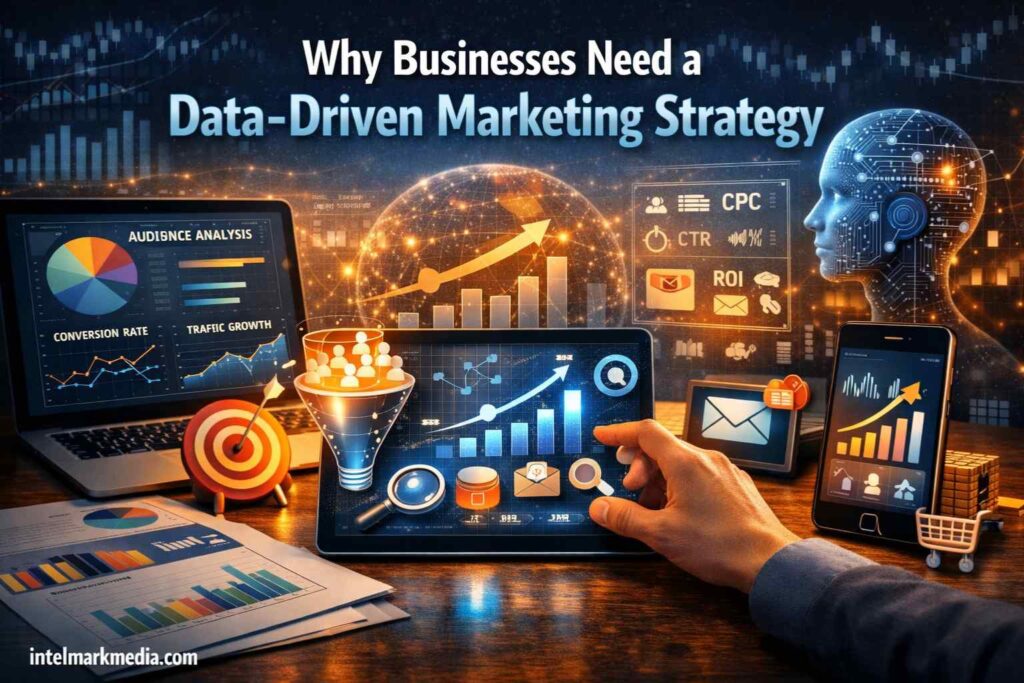
Why Businesses Need a Data-Driven Marketing Strategy
A data-driven marketing strategy helps businesses understand what works, what needs improvement, and where to invest their marketing budget effectively. By analyzing metrics such as conversion rates, customer behavior, click-through rates, lead quality, and campaign performance, businesses can continuously optimize their marketing efforts for better results.
Marketing automation platforms provide valuable insights into customer interactions and sales performance, allowing businesses to make smarter decisions based on real-time data. This improves efficiency, reduces wasted spending, and helps companies create more personalized experiences that increase customer satisfaction and revenue generation.
Future Trends in Lead Generation and Marketing Automation
Artificial intelligence, predictive analytics, conversational marketing, and hyper-personalization are shaping the future of lead generation and marketing automation. Businesses are increasingly using AI tools to analyze customer intent, automate communication, optimize ad targeting, and improve customer engagement across multiple channels.
Voice search optimization, AI chat assistants, interactive content, first-party data collection, and omnichannel marketing experiences will continue to influence how businesses attract and nurture leads in the coming years. Companies that adapt to these evolving trends early will gain a competitive advantage while improving their online visibility and customer acquisition performance.
Also Read: Marketing Automation Workflow Services for Business
Conclusion
Lead generation and marketing automation are essential for businesses that want sustainable growth in the modern digital marketplace. These strategies help brands attract qualified leads, automate customer communication, improve conversion rates, and create personalized experiences that build trust and long-term loyalty. Businesses that combine semantic SEO, user-focused content, intelligent automation, and data-driven decision-making are more likely to achieve scalable success in 2026 and beyond.
If your business wants to improve lead quality, automate marketing processes, increase conversions, and build a stronger digital presence, partnering with a professional digital marketing agency can make a significant difference. Explore expert marketing solutions, SEO services, automation strategies, and growth-focused campaigns with intelmarkmedia.com and take your business growth to the next level.
FAQ About Lead Generation And Marketing Automation
Q1: What is lead generation and marketing automation?
Ans: Lead generation and marketing automation helps businesses attract, nurture, and convert potential customers through automated marketing workflows.
Q2: How does lead generation and marketing automation work?
Ans: Lead generation and marketing automation uses email campaigns, CRM tools, and AI-driven workflows to manage and qualify leads efficiently.
Q3: Why is lead generation and marketing automation important?
Ans: Lead generation and marketing automation improves customer engagement, saves time, and increases conversion rates through targeted communication.
Q4: Which businesses can benefit from lead generation and marketing automation?
Ans: Businesses in real estate, healthcare, finance, SaaS, and eCommerce can benefit from lead generation and marketing automation strategies.
Q5: What tools are used for lead generation and marketing automation?
Ans: Popular lead generation and marketing automation tools include CRM platforms, email marketing software, chatbots, and analytics systems.
Q6: How to choose the best lead generation and marketing automation service?
Ans: Choose a lead generation and marketing automation service with proven expertise, scalable solutions, CRM integration, and performance tracking.