Introduction
Customer communication has become a key factor in business growth, and whatsapp marketing automation gives brands a smarter way to engage leads, nurture customers, recover abandoned carts, and deliver instant support at scale. With the right strategy, businesses can automate meaningful conversations, improve response times, and increase conversions without losing the personal touch. This guide covers proven strategies, best practices, and practical tips to help USA businesses maximize the value of whatsapp marketing automation and achieve measurable results.
What Is WhatsApp Marketing Automation
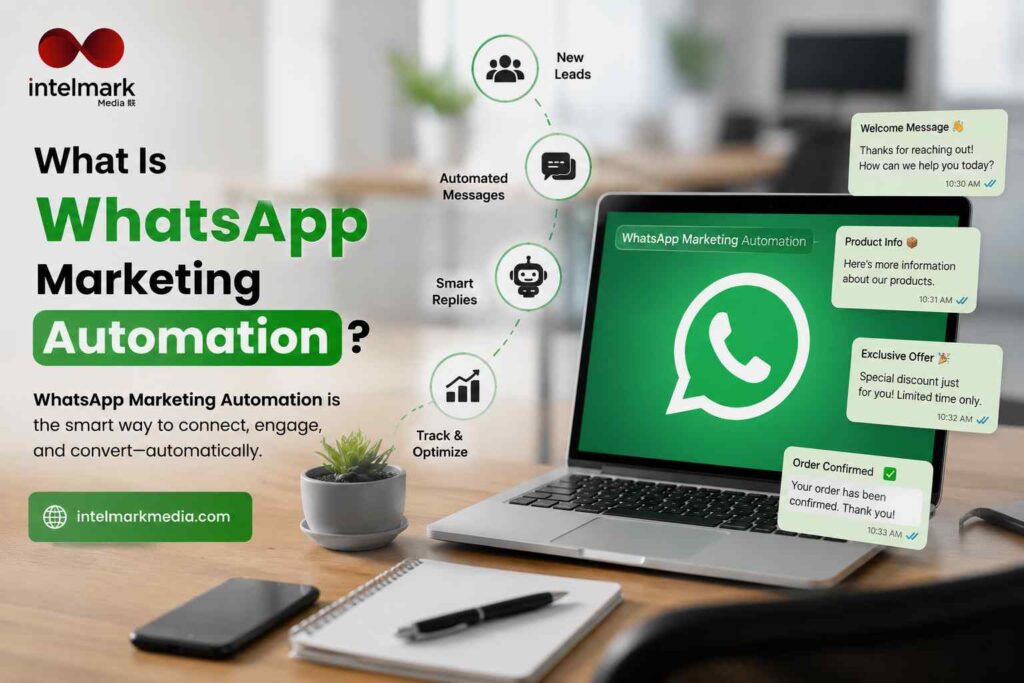
WhatsApp marketing automation refers to using software, built on the official WhatsApp Business API, to send, receive, and manage customer messages without manual effort for every single interaction. Instead of a person typing replies one by one, workflows trigger messages based on customer behavior: a purchase, a missed call, an abandoned cart, or a scheduled reminder.
The distinction matters because WhatsApp itself doesn’t offer bulk automation inside the consumer app. Businesses need to connect through Meta’s approved API, either directly or through a Business Solution Provider, to send templated messages, build chatbot flows, and sync data with a CRM.
Why US Businesses Are Adopting It Faster Than Ever
American consumers have grown tired of promotional emails buried under hundreds of unread messages. WhatsApp changes that dynamic because it’s a channel people check constantly, often within minutes of receiving a notification.
We’ve seen this shift firsthand working with US-based service businesses and ecommerce brands. A dental clinic that switched appointment reminders from SMS to WhatsApp saw fewer no-shows almost immediately, simply because patients could confirm or reschedule with one tap instead of calling back.
Retailers are seeing similar patterns with cart recovery sequences, where a well-timed WhatsApp nudge outperforms a generic email reminder because it feels more like a text from a person than a marketing blast.
How WhatsApp Business API Differs From the Regular App
The free WhatsApp Business App works fine for a solo shop owner replying to a handful of chats daily. It breaks down fast once volume increases.
| Feature | WhatsApp Business App | WhatsApp Business API |
|---|---|---|
| Best for | Solo owners, small teams | Growing and enterprise businesses |
| Bulk messaging | Not supported | Supported via approved templates |
| Automation/chatbots | Basic quick replies only | Full workflow automation |
| Multi-agent access | No | Yes, unlimited agents |
| CRM/tool integration | No | Yes (HubSpot, Salesforce, etc.) |
| Cost | Free | Per-conversation pricing |
| Verified green checkmark | Rare | Available for verified brands |
For any US business planning to scale outreach, the API is not optional, it’s the foundation everything else is built on.
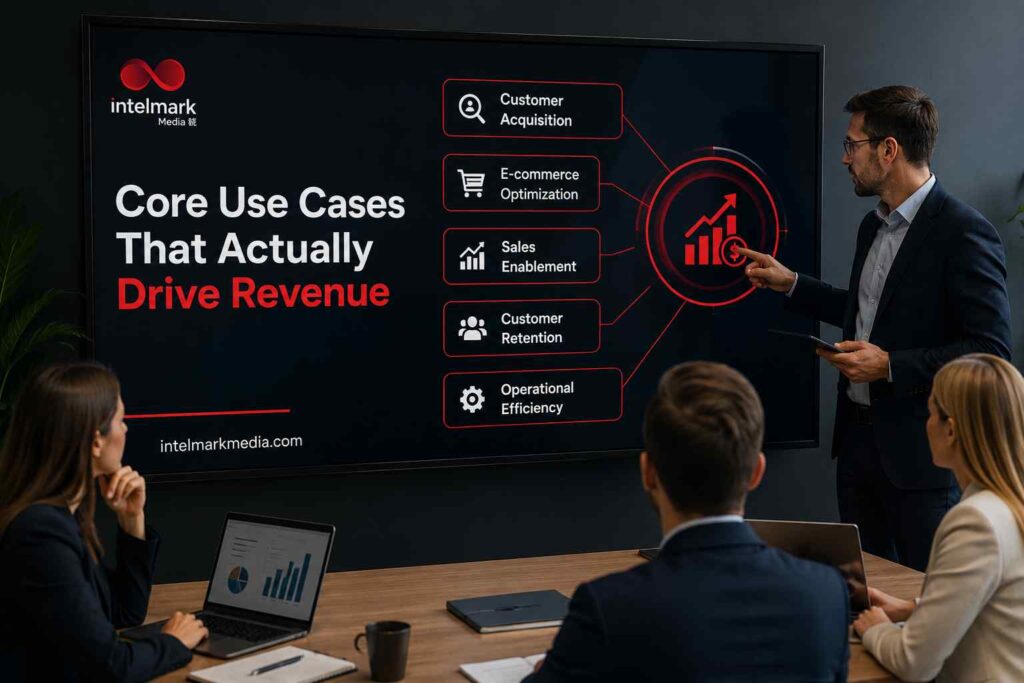
Core Use Cases That Actually Drive Revenue
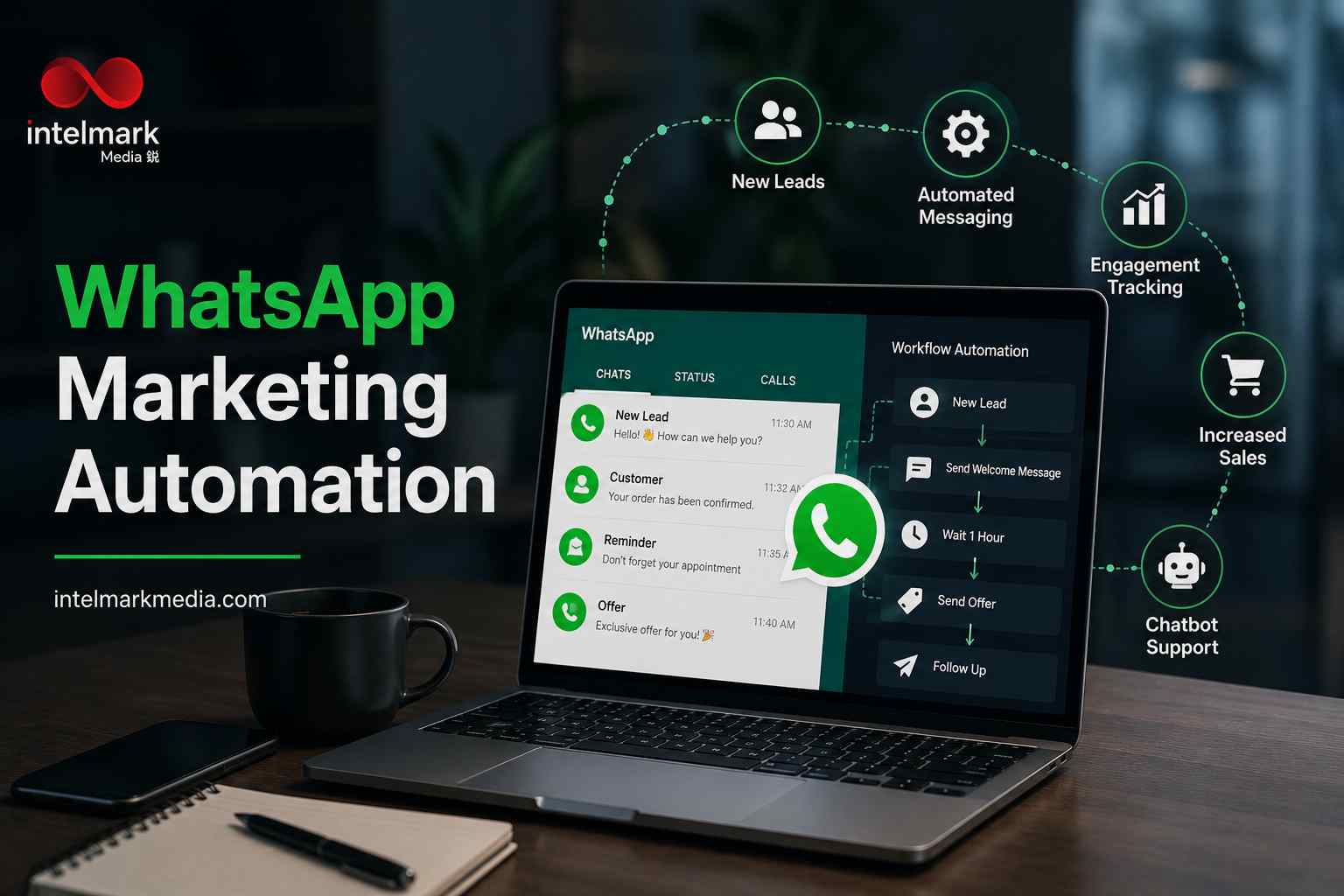
- Abandoned cart recovery: Automated reminders sent within an hour of cart abandonment, often paired with a small incentive.
- Order and shipping updates: Real-time confirmations that reduce “where’s my order” support tickets.
- Appointment reminders: Two-way confirmation flows for clinics, salons, and service businesses.
- Lead qualification bots: Pre-screening inbound leads from Facebook and Instagram ads before a sales rep gets involved.
- Post-purchase upsells: Personalized follow-ups based on purchase history.
- Customer support deflection: FAQ-style bots that resolve simple queries without human intervention.
Comparing Top WhatsApp Automation Platforms
| Platform Type | Strength | Ideal For |
|---|---|---|
| Direct CPaaS providers (e.g., Twilio-style APIs) | Deep developer control, flexible integrations | Businesses with in-house dev teams |
| Marketing-focused BSPs | Pre-built campaign templates, easier setup | Ecommerce and DTC brands |
| CRM-native WhatsApp add-ons | Unified customer data, less tool-switching | Sales-heavy B2B teams |
| Agency-managed solutions | Strategy plus execution, ongoing optimization | Businesses without internal marketing staff |
There’s no single “best” platform. The right pick depends on your team’s technical capacity, budget, and whether you need this to be a standalone tool or part of a broader customer engagement strategy, which is where a partner like IntelMark Media typically steps in to help match the platform to the business.
Step-by-Step: Setting Up Your First Automated Campaign
- Register your WhatsApp Business Account through Meta Business Manager and verify your business.
- Choose a Business Solution Provider or API partner that fits your budget and technical needs.
- Get message templates approved by Meta for the specific use case (marketing, utility, or authentication).
- Segment your audience based on purchase behavior, engagement level, or lifecycle stage.
- Build the automation flow, including trigger conditions, fallback replies, and human handoff points.
- Test with a small group before rolling out to your full contact list.
- Monitor delivery, read rates, and opt-outs, then refine messaging based on real performance data.
Common Mistakes
- Sending marketing messages without explicit opt-in consent, which risks account bans.
- Over-automating support to the point customers can’t reach a real person.
- Ignoring Meta’s message template approval guidelines and getting flows rejected.
- Treating WhatsApp like email with long, salesy paragraphs instead of short, conversational messages.
- Failing to segment audiences, resulting in irrelevant messages and high opt-out rates.
Best Practices
- Keep messages short, useful, and personal, closer to a text from a friend than a newsletter.
- Always give customers an easy opt-out and honor it immediately.
- Use utility templates (order updates, reminders) to build trust before sending promotional content.
- Test send times based on when your specific audience is most responsive.
- Integrate WhatsApp data with your CRM so support and sales teams see full conversation history.

Expert Tips
- Start with transactional automation (order confirmations, reminders) before jumping into promotional campaigns. It builds message trust with Meta and with customers.
- Use WhatsApp’s interactive buttons and list messages instead of plain text whenever possible. Response rates are noticeably higher.
- Review your conversation-based pricing tier monthly. Costs shift depending on message category and country, and small workflow changes can meaningfully reduce spend.
Also Read: Get More Clients Using Trusted SEO Lead Generation Services 2026
FAQ About WhatsApp Marketing Automation
Q1: What is WhatsApp Marketing Automation?
Ans: WhatsApp Marketing Automation uses automated workflows to send personalized messages, nurture leads, and improve customer engagement at scale.
Q2: How does WhatsApp Marketing Automation work?
Ans: It automates customer interactions through chatbots, scheduled messages, CRM integration, and triggered campaigns based on user actions.
Q3: Is WhatsApp Marketing Automation good for small businesses?
Ans: Yes, WhatsApp Marketing Automation helps small businesses save time, improve response rates, and generate more qualified leads with personalized communication.
Q4: What are the benefits of WhatsApp Marketing Automation?
Ans: WhatsApp Marketing Automation increases customer engagement, streamlines follow-ups, boosts conversions, and enhances marketing efficiency with automated messaging.
Q5: Is WhatsApp Marketing Automation compliant with WhatsApp policies?
Ans: Yes, when implemented using the WhatsApp Business Platform and customer opt-in practices, WhatsApp Marketing Automation supports compliant business communication.
Q6: How do I choose the best WhatsApp Marketing Automation service?
Ans: Choose a provider with official WhatsApp integration, CRM compatibility, advanced automation features, analytics, and proven experience delivering measurable marketing results.
Conclusion
Strong customer relationships are built through timely, personalized communication, and whatsapp marketing automation gives businesses the ability to deliver both at scale. From generating qualified leads and recovering abandoned carts to sending appointment reminders and providing instant customer support, a well-planned automation strategy creates better customer experiences while improving efficiency and driving measurable business growth. Businesses that focus on compliant messaging, smart automation workflows, and continuous performance optimization are more likely to achieve sustainable results and maximize their marketing investment.
Ready to transform customer communication with powerful WhatsApp automation? Contact IntelMark Media today for a customized strategy that helps your business increase engagement, generate more qualified leads, and achieve long-term growth with data-driven marketing solutions.